Advancing Accessibility Podcast: Episode 1
31 July 2024

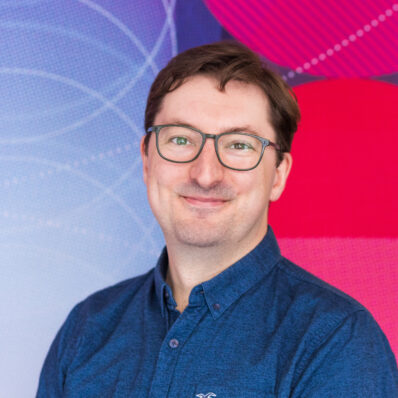
Listen to our series of podcasts on accessibility in games. Join host Steve Saylor as he chats with Player Research’s Game Accessibility Lead, Améliane F. Chiasson.
Listen on Spotify, or watch on YouTube.
Transcript of Episode 1
Steve Saylor: (0:00:00):
Welcome to Advancing Accessibility, a mini podcast series focusing on the great work done by individuals pushing for accessibility in the gaming industry and answering the question, what’s next? This show is brought to you by Player Research’s ”Advancing Accessibility”. To find out more about what Player Research and this initiative, you can go to the link in the show notes or to PlayerResearch.com. I’m Steve Saylor, an accessibility consultant, content creator, Twitch ambassador, and host of this series, and today’s episode is all about making accessibility accessible. My guest today is game Accessibility Lead at Player Research, Ameliane Chiasson. And also just, you know, a great human being and friend. Hi, Ame. How are you?
Améliane F. Chiasson: (0:00:41):
HelIo I’m good. How about yourself?
Steve Saylor: (0:00:43):
I’m doing good, you know. Hey, we’re starting off this series, and I’m excited to talk to some of the guests that we have, uh, lined up. Uh, so this is this is going to be a good, uh, good show. Um, for those who may not know a little bit about kind of what this show is going to be about, why don’t you kind of explain a little bit from Player Research’s end, like, what is this Advancing Accessibility show?
Améliane F. Chiasson: (0:01:04):
Yeah. So basically, um, to give a little bit of context. So last year in 2023. So right now we’re in the uh, the summer of 2024, uh, last year in 2023, we launched a suite of services called ”Advancing Accessibility”. And as part of those services, we have different offerings that go from user research to accessibility, QA, consultancy, things like that. And something that is really important to me as well is that two things we work with people with disabilities in the accessibility community and the disability and gaming community that we research with, players who have accessibility needs, and also that we empower the voices of people who work in this space and who advocate for accessibility in gaming. And so, you know, this podcast was a bit of an effort to that as well, to highlight the work of amazing folks in the community across different, um, sort of fields and accessibility on the development side, on the advocacy side, on the gaming side, um, and to sort of show people what wonderful people are doing to advance accessibility in gaming. And actually having you as a host was a great, um, was a great option as well, because, uh, you know, I’m aware that you’re a great radio voice and a great streamer and content creator. And I thought, who better to host this podcast series than Steve Saylor? Because you know, you’re you’re used to this. I’m not. So. So I figured it’ll be way better if you do it than if I do!
Steve Saylor: (0:02:41):
That’s okay. You know, I always say it’s like I got I got a face for podcasting, so it’s fine. Uh, um, so before we get into the actual kind of like the nitty gritty of what we’re talking bout today, and then also what the future of this little miniseries is going to be. What we’re going to look into and the different types of topics we’re going to talk about. I love to be able to kind of, you know, start the conversation off with, you know, getting to know a little bit more about, uh, the guests. You’re going to find out that I’m going to get into a little bit, kind of like the, the beginnings of, uh, some of our favorite people in the accessibility space. So, uh, first question I have for you, Ame, is why don’t you, like, tell us what got you interested in gaming? Like what? Like what was that sort of initial spark when you found out gaming for the first time?
Améliane F. Chiasson: (0:03:24):
Ah. Um, so contrary, I think to some people, my first introduction to gaming was through my mother. Um, so my mom was a huge nerd. Um, kind of still is. And, back in the day, she, uh, you know, was playing on the NES. That was my first introduction to it, and she was playing, uh, you know, Metroid and, uh, you know, different Mario games and, like, Duck Hunt and, like, things like that. And at first I was not playing at all. I was pretty small. Um, but, uh, eventually what happened is that when my mom would go away to work. Because for those who are younger now, you know, we used to stay home alone, like a lot, even though we were way too young to stay home alone. I feel like.
Steve Saylor: (0:04:11):
Were you a latchkey kid, too?
Améliane F. Chiasson: (0:04:12):
Yeah. Like, you know, it’s kind of a thing of, like, you come back to work alone. I’m like, six years old, you know? And, like, you know, um, it’s kind of… It’s kind of what it used to be.
Steve Saylor: (0:04:22):
I know I didn’t have that until I was at least 13. So at least you got a little, you got a few years jump on me on that one.
Améliane F. Chiasson: (0:04:28):
Yeah. yeah, I would, you know, so my mom would come back from work, um, you know, pretty late at night. And so I had to kind of, like, entertain myself at home. But the thing is that back in the day, my mother told me that video games were not for children.
Steve Saylor: (0:04:40):
And, oh, interesting.
Améliane F. Chiasson: (0:04:42):
And I learned later on that she did that because she was afraid that it would mess up her save files. Um.
Steve Saylor: (0:04:50):
I love that so much. It’s like that games, video games, are not for you. Yeah, just don’t touch my save files.
Améliane F. Chiasson: (0:04:56):
So. Yeah. So she would lock them away. But of course, you know, kids were ingenious. And so I found ways to, to play. Um, and yeah, I think one of the first games I ever played was, um, The Legend of Zelda. Um. Oh. But at first, like, I didn’t really know what I was doing. I was just, you know, throwing pots around and just not really understanding what was going on. Yeah, and it kind of it kind of went from there. And I think most of my childhood I mostly played on, uh, handheld consoles. So like, oh, um, like the GameBoy, GameBoy Advance played a lot on the GameBoy Advance, um, for a long time. And then slowly but surely sort of transitioned to, uh, PC gaming at my dad’s house, because that’s where we had the, you know, the family PC in the kitchen. Yeah, yeah, yeah. Uh, and I started playing Diablo on there as well as Age of Empire. Um, so yeah, it kind of always stayed in my life. By the way, my cat is probably, for those who are watching the video, my cat is going to probably walk around, make my desk shake, but it’s fine. You know, for those who are just listening, you will not experience this, but. But she’s here. Um, yeah. So so yeah. So that’s pretty much been my introduction to gaming and it really stayed throughout my life. Uh, gaming has always been this kind of, uh, consistent hobby and passion that’s never really went away.
Steve Saylor: (0:06:18):
Okay, well, I love that. So, um, when you kind of were like, like, like you said, you had your GameBoy was kind of like the the sort of your, uh, kind of main console that was kind of just yours. Do you remember when you, uh, like what was sort of like the when you finally had enough, like, either saved up for allowance or, uh, you had enough money to be able to buy a game for the first time. Do you remember what game that was? And do you remember why you wanted to get it?
Améliane F. Chiasson: (0:06:45):
Um, yes, I remember. So the first game I bought myself, um, was a game on the Gameboy Advance called, uh, The Sims. Uh, it was Sims. The Urbz Sims in the City.
Steve Saylor: (0:06:56):
Oh, yeah, I remember that.
Améliane F. Chiasson: (0:06:58):
So this game I played a lot, and I like to call it my first RPG game because it kind of is like this game if you’ve played, I don’t know if you played it, but it it was a pretty long game and you had different, you know, types of characters that you could build and you could build like reputation in different, um, like groups in the city. And you had to like, you know, gather resources and money and like, you know, you had to build your own apartment and go through like, missions and quests from, like, different people around the city. So, like, to me, this was like an open world RPG. Okay. Yeah. And and yeah, this is the first game I bought with my really with my own, um, my own money. Yeah. And I bought it second hand at, like, a pawn shop. So.
Steve Saylor: (0:07:42):
Oh. You did. Oh, okay.
Améliane F. Chiasson: (0:07:44):
So it was pretty cheap. Um. And. Yeah, I played a lot of this game.
Steve Saylor: (0:07:50):
I think mine was, uh. I’m trying to remember back. It was I, it was either one, one of these two. It was either The Matrix Online, uh, or it was Star Trek Voyager Elite Force. I was a big Star Trek kid, so I played a ton of Star Trek and Star Wars games growing up. And I remember I was like, Star Trek and it’s the first person shooter. I want to play that. And it just happened to be it was on PC. And so, uh, I remember that was like the first kind of I think it was either that. Yeah, or Matrix Online was like the first game I actually, like spent hard-earned money, uh, to be able to, to get. So although it was like I did wish I had a Game Boy also growing up, that was the one thing that my friends, uh, had all had. Um, they had some version of a GameBoy where there was just the original or GameBoy Color or even GameBoy Advance, and I never really the only GameBoy I had was a GameBoy Advance SP as a teenager, but by that point I was kind of like, not really get into games that much. I wasn’t playing a lot of them, but I remember just like still sitting in my living room in the dark with my parents watching TV, and I would just sit and play Tetris pretty much the whole time.
Améliane F. Chiasson: (0:08:56):
Yeah, I mean, yeah, that’s a classic. Exactly. Go to platform prior to that.
Steve Saylor: (0:09:01):
Uh, yeah. Yeah, exactly. So I think because I think I was able to play because. Yeah, with the GameBoy Advance, you were able to play like older, uh, GameBoy games because I think the cartridge I had was the original, uh, from the original Game Boy. Yeah, because it was on sale or something like that, or I bought it off of, like, a, you know, it was a rental that I bought. Whatever. Um, but yeah, it was uh, that was like my first sort of, uh, foray into like, you know, very addictive kind of gaming on a GameBoy.
Améliane F. Chiasson: (0:09:25):
Um, yeah, that was cool. With the GameBoy Advance, I remember we could we could just put the the old cartridges to it, and it would work. That was awesome.
Steve Saylor: (0:09:32):
I know backwards compatibility. You know, who knew that that would be a thing that we would still want today? That we wish we could have. But anyway.
Améliane F. Chiasson: (0:09:40):
Um, it’s kind of starting to be like more of a standard now, I feel. But yeah, we had a couple years in there that were kind of annoying.
Steve Saylor: (0:09:46):
Yeah, exactly. Yeah. I mean, we’re all for video game preservation around here. I would love to, you know, go back and play old games for sure. So while you were kind of like getting into into gaming, uh, or like or yourself kind of growing up, what sort of, uh, what interested you or what was the thing that, you know, made you decide, oh, I can actually be able to work in the gaming space.
Améliane F. Chiasson: (0:10:08):
So that’s a funny thing because so when I was little and like as a teenager and stuff, I feel like I changed my mind every week about what I wanted to do as a grown up. Sure. Um, you know, I wanted to be a veterinarian, like a lot of people, I feel. Yeah, yeah. Then I wanted to be a teacher, basically, uh, when I went into my teenage years is when, you know, I started to really, really sort of get into gaming. Uh, more seriously, if that makes sense. I would play, like, uh, like, hours on end with, like, my friends, uh, Diablo or like The Sims. I played, like a whole bunch of The Sims as well. Um, and I wanted to be a game designer. Um, that was kind of like what I wanted to do. Uh, but sort of, you know, life took me to another path. Uh, I left home very young and had to sort of, like, survive and fend for myself in this, in this harsh world. Um, and I sort of had given up that dream for a couple of years until I want to say, 2013, when I joined the games industry as a game tester. Um, so prior to that, I was just working, you know, odd jobs, um, in like, you know, retail or sales or like whatever. Like I did everything you can think of. I did it almost. Um, and so I joined as a QA tester, um, at Eidos-Montreal, uh, shout out. Um, and. Yeah, and I sort of never left the industry since then. Uh, so this, uh, this has been over ten years now that I’ve been in this industry, and I would not change, uh, nothing from this journey. This was, uh, where I grew up. I grew up with this industry. I grew up as a person and as a professional. Um. Wow.
Steve Saylor: (0:11:54):
So what? You’ve you’ve. When you started working the industry, you were like, in Montreal, and you’ve basically been in, like, you’ve never left Montreal to to, like, with all the different places that you worked in the industry? No.
Améliane F. Chiasson: (0:12:05):
I’ve always stayed in Montreal. Oh, wow. I didn’t know that. Yeah, yeah, I’ve always stayed in Montreal. I basically sort of grew from within this industry. Um, I never went to university. Um, and so, you know, this is something that sometimes people tend to not talk about because, you know, they might feel like, oh, I don’t have as much education as, like, others and stuff. But I feel like what’s really great about this industry, though, is that, um, you know, there’s people who come from all walks of life. Um, and that includes a lot of the guests on the podcast, actually, who have all different types of backgrounds and ended up in this industry in different ways. And, uh, so, yeah, this is what I love about this industry. We have people with such a diverse, you know, background of, um, you know, personal and professional experiences. And that’s definitely my case as well. Um, and so, yeah. And then, yeah, QA then I worked in user research for a couple of years and eventually found my way to accessibility.
Steve Saylor: (0:13:05):
I was about to say so, like, um, with the, uh, because, like, for those who may not know, kind of like jumping from, like, you, like, uh, QA to, you know, user research, it’s it’s not that much of a hop towards accessibility in that sense. That’s kind of where a lot of us sort of start is usually in that kind of field. So, uh, question I have is, is sort of what was it that, uh, interest you in accessibility as like, okay. Yeah, this is the, the field that I want to, uh, continue focusing on in the industry.
Améliane F. Chiasson: (0:13:34):
So it’s always an interesting question that I get asked because I always I feel like I always have a different answer because I think it’s a lot of different things that sort of ended up sort of coming together as like, okay, I need to do this. Um, you know, I can’t pinpoint like a single moment that made me go, like, I want to work in accessibility. I think what happened is that over the course of multiple years, um, there’s a couple of things that happen. First of all, I was diagnosed with ADHD as an adult, which kind of exposed me to a lot of the struggles that I felt, uh, you know, something was wrong with me. Like, I didn’t know what was going on with me. And eventually, like, it was like, oh, like, you know, I was able to finally have an answer for a lot of my patterns of behavior, including in gaming. You know, like, I was struggling a lot in gaming because I enjoyed gaming, but I never was able to finish any game like I was, you know, uh, hopping from one game to the other and also getting very frustrated with some video games that, you know, I felt very overwhelmed in. And and so that’s one thing then, uh, you know, playing with friends who had disabilities, um, also being exposed to sort of like, oh, like, uh, we can’t do the same stuff, which sucks, you know, like, I wish we could just play together and not really encounter any barriers. Uh, so I felt bad for, you know, some of my friends who were, um, like, sort of had to be left on the side because they were not able to, like, join us into some, some games that we played. Mhm. Um, and, and then finally also in user research especially uh, you know, we work with uh participants, players from, you know, different uh, player profiles, um, and was exposed to a lot of different people who had varying levels of needs related to accessibility, whether it was visual needs or, you know, people who played with like a custom adaptive setup for their controller, different things like that. And so, you know, kind of being impressed both by the ingenuity and like, resourcefulness of the disability community. I was also angry at the industry for not facilitating those experiences. You know better. And so, you know, it started with just me sort of, um, educating myself and doing like in-studio, like social events or like talks or like things like that with different speakers and advocates and like doing these sort of meetups at the studio. Um, and it eventually evolved into something kind of more full time because at some point I was like, okay, I’m kind of doing two jobs right now. And so. Yeah. And so we actually founded the accessibility department, uh, back when I was at Eidos-Montreal for Square Enix.
Steve Saylor: (0:16:21):
Very cool. Well, I love that you kind of said that essentially. What? Well, how a lot of us kind of get into the accessibility space. It’s sort of it’s just exposure and then anger. Yeah. It’s just, you know, you get exposed and it’s like, oh, that’s oh, you can’t do this. Oh that, that makes I wanted to do, I want to do something about it. And it just that that’s kind of the same for like a lot of a lot of us in this space, which is, uh, you know, hey, at least, you know, you know, there’s a bit of common ground there for, for a lot of us. Um, so let’s kind of go into a little bit like, uh, just for, like, a little bit, kind of like an accessibility, uh, 101 just for those who are jumping into this and either, uh, through, uh, either finding it through myself or through player research or just people want to be able to know a little bit more about accessibility. Um, why don’t why don’t you start off with like, what is accessibility and how does it, like, relate to gaming? Um, and like let’s talk about like some definitions for, for people who may not be or maybe hearing for it about it for the first time.
Améliane F. Chiasson: (0:17:19):
Yeah. So accessibility and I’ll start with like the very generic sort of description. And then we can go into like how it relates to gaming. So accessibility at least how I describe it, I think in a simple way for people is the breadth of people being able to experience a product or service or, you know, an experience, uh, in a comfortable and enjoyable way. Um, so and I like to say enjoyable as well, because sometimes people tend to kind of think that accessibility is just about accessing the thing, but not necessarily having a good time using the thing. Sure. I really believe in, you know, accessibility also, you know, pushing it to the point where it’s like, no, you’re actually enjoying yourself, you know, doing this thing, um, as would anyone else. And so that’s kind of like how I describe it in the most simplest way possible, an accessibility barrier would be, you know, a, um, an obstacle that you meet or that you face when going through either a game in our case, uh, or it can also be in the physical environment or whatever it is, um, that actually prevents you either from progressing or progressing comfortably, um, forward or in an enjoyable manner. And so that’s how I describe accessibility just in general. Um, and how it relates to gaming. Well, just like in movies or other, uh, entertainment, um, industries, um, gaming is something that people do to either enjoy escapism or have fun or, you know, play with their friends or have a, you know, some relaxing time or challenging times or, you know, we all have different reasons for why we’re going to pick up a controller and start playing something. But the unfortunate thing is, is that a lot of people still to this day, uh, cannot just do that because they can’t either not even access the game to begin with, uh, due to accessibility barriers or, um, they cannot do it independently and need either, uh, support from their friends or family. And so, you know, you’re kind of remove a lot of that, um, player agency from a lot of people who are trying to just have fun and just take a break from life.
Steve Saylor: (0:19:31):
I love the definition because it kind of does sort of show that, you know, it is, yes, for those with disabilities, but it can also benefit other people too, because it is barriers that, um, that are brought on and it just because of like, you know, human variance, uh, like it definitely is. Uh, a lot of accessibility can benefit people who may not even have a specific disability. Um, one of the kind of, uh, questions I have, uh, is that I often kind of see that there is a bit of a misconception on, uh, accessibility in other areas of, uh, beyond just gaming. Um, like, there’s either digital or in, like, in real life or, uh, even in TV and film that a lot of people think that essentially just that you could just take the same accessibility and put that into games. Uh, but what is the difference between, um, like, uh, between those kind of like standards and practices for digital and for TV and film, that can’t easily translate into gaming?
Améliane F. Chiasson: (0:20:36):
That’s a really good question. Um, so the thing with gaming, I think there are some similarities that can sort of somewhat be inspired from other industries or replicated from other industries. There are some standards that we can definitely inspire ourselves from. However, the difference with gaming is that gaming is extremely interactive in highly creative worlds. Um, and not one game is similar to one another. You know, there’s some there’s genres of games, sure, but even within those genres, games are extremely different depending on what the developers intend and vision is. Um, and we’re, you know, asking people to engage with those things. And also, we have different types of players that will engage with the game in different ways. And so we have different target audiences, you know, that will engage with the title in different ways. Um, and disabled people are part of those target audiences. They’re not a separate audience. I like to always sort of double down on that. They’re part of those different audiences and we need to include them as well. The difference with like a film, for example, where we want to make a movie accessible or a TV show accessible, um, the level of interactivity from the actual user or the watcher in that sense is way more limited. Uh, you know, you can sort of integrate accessibility, uh, you know, through, uh, captions, subtitles, audio description, and you basically put it in you, you know, like, you do it as you want it to be, look like or sound like, and people just sit down and, you know, they they just watch the thing or listen to the thing. Um, and you don’t have to, you know, worry too much about how someone will sort of interact with the experience because it’s just, you know, it’s all pre-made. Uh, you know, that makes sense. But with gaming, there’s a lot of elements that are interactable and that will be very different from one player’s station to the other. And so there’s a lot of challenges there in terms of making sure that we’re removing barriers without necessarily put people on rails and do everything for them. We want them to engage with the title. Um, but, you know, sometimes perhaps the design that we’ve made are not accessible themselves. So we do need to add a certain level of assistance, uh, to help players actually be able to interact with the damn thing to begin with. And so it’s way more of a can of worms, I feel to think about accessibility in gaming, and I think it is more overwhelming for someone who starts out, you know, thinking about this stuff and doesn’t know where to start because it is not as straightforward from A to Z as, you know, for other types of medium that are a bit more linear, if that makes sense. Sure.
Steve Saylor: (0:23:19):
Yeah, I think like, uh, I love that because it’s like, as you said, it’s like every game is is inherently different from another like another. I think that’s kind of like always the the main goal of any game developer is to try to build, to make something that is different. Like even when you’re making a sequel to a game, you want to give a different variance of that same play gameplay experience because you want something. Everyone, every gamer, wants something new and different in each game. Even if a game is in a similar genre of something that they’re used to. And as you said, like with the amount of interactivity that there is in games, inherently it’s a lot harder to be able to kind of like nail down exactly what would what that game would actually need as far as accessibility. And it becomes a lot more complex. Um, and that and that kind of leads me to I want to talk a little bit about the need for like accessibility services and even freelance consultants, kind of like, like a research comes in because we see, you know, there’s there’s a bunch of like guidelines and there’s, uh, that are offered from, like from places like, you know, um, like Microsoft and, you know, GameAccessibilityGuidelines.com and uh, even Player Research even has that as well. But what are like, uh, with, because of how games are, how interactive that they are. Um, could you be able to talk a little bit about like, the difference between, uh, like, say the, like the two of, like a freelance consultants and what actually like, services like Player Research can provide game developers, uh, when making their games.
Améliane F. Chiasson: (0:24:45):
Yeah. So I think there’s like a couple of different, couple of different layers, um, here because I think nowadays we’re starting to see more and more resources online, like you said, you know, guidelines or sometimes it’s going to be talks or, you know, articles or like even research studies, things like that that are around accessibility. But when you’re starting to look into how do I make my game accessible, it can be extremely overwhelming to know where to start. And even if you have guidelines, um, not everything is applicable necessarily to your game, so you don’t necessarily know what applies to you. Um, if you have a larger team, it can be also difficult to know who’s responsible for what area of accessibility. Um, you don’t necessarily know. You know, you don’t know what you don’t know. Right. Like so you don’t know the barriers that are already there, you don’t know the ones that aren’t there. And so it can be very overwhelming. And just like anything else, if you don’t know what you’re doing, either you’re going to sort of sweep it under the rug and kind of hope that no one cares or, um, you know, you’re just going to perhaps do the wrong thing, um, and approach it in the wrong way with the best intentions. But maybe you’re going to do it wrong and either have more barriers than you initially started with, or replace barriers with other ones, you know? So, um, so it can be very overwhelming. And that’s something I think is really important to when we talk about empathy in gaming and the accessibility space, we often talk about empathy towards the player base, which I think is, of course, the number one thing that we talk about, um, to include our all, all audiences into, you know, gaming experiences as much as we can, but we also need to acknowledge, you know, needing to build empathy with dev teams. Um,um, and, uh, studios who maybe are starting into this field and don’t necessarily know where to start and might have basic questions that some people think of as obvious but aren’t necessarily obvious. And so that’s when you’ll have different needs either for consultants, uh, to either give feedback to the to the dev team about certain experiences. Maybe they’ll try a part of the game and give some feedback. Maybe they’ll review some design docs, give some feedback, or maybe they’ll participate into like expert reviews, or they’ll do, you know, expert play tests or like things like that with, uh, within studios, with teams like that. Um, or sometimes they’ll deliver, you know, talks or, you know, they’ll host events, uh, things like that at different studios who don’t necessarily have, um, accessibility teams, uh, in-house. Um, and that’s also where services like ours, um, are needed because a lot of studios, even if they do have the intention and the will to make their experiences more accessible, they don’t necessarily have the internal resources to, um, educate their teams to review all the designs at different, um, at different stages, to plan accessibility and integrate accessibility within the production roadmap. Um, test, um, for, you know, finding accessibility, uh, barriers, conducting research, um, reviewing marketing materials, things like that. There’s a lot of different layers that, you know, of course, comes into delivering a gaming experience to the public. Um, and that entire loop has, you know, uh, affects accessibility in at all the different stages. And so, you know, having services like this really ensure that this is something that can be scaling up. Uh, you know, when you’re working on this mission, either for the first time or just want to augment your bandwidth in, you know, dedicating more time and more resources to doing accessibility work. And even though nowadays we are starting to see, you know, um, studios that have full time accessibility specialists in house or managers or designers. Uh, the reality is that the vast majority of studios don’t have that and don’t have access to these, uh, to these teams, uh, internally or with their publisher. And so that’s where we come in. You know, we’re a third party service. And anybody can, you know, reach out to us and hire us. Um, and we have different types of services for different types of needs, uh, for different stages of production. And so, you know, whether someone is still at the concept phase and just needs to establish accessibility goals or integrate accessibility, accessibility goals within their design intentions, or they want to do an accessibility audit to figure out, you know, like where are the low hanging fruits right now in our game? Like, what do we need to fix things like that? We have something that will sort of meet that need, um, for those different stages. And like we also work both with Keywords Studios, who’s our, um, who’s the company that actually Player Research is part of. Um, and so we work with different teams within Keywords Studios who work in co-dev or work in accessibility for very specific needs, for example, Descriptive Video Works. Who does audio description. Um, we collaborate with them for different projects or, uh, the QA teams we’ve trained, uh, to, you know, be able to conduct accessibility testing. And uh, also we hire consultants on a need basis to help us with either consultancy events or trainings for clients and things like that. And so that’s that was really important for me when we started this, um, this new service was having this space for, you know, maybe we’ll be a smaller internal team, but, you know, we’ll hire external freelance consultants, uh, to work with us on projects. Um, so. Yeah.
Steve Saylor: (0:30:30):
So, like, even going back to a little bit about your, your background, then it’s like, so what, like when you saw this sort of need that within the industry, like what sort of led you from, you know, leading accessibility within a game studio, like being that kind of that sole person within a studio at a publisher to like jumping in to becoming a part of, like a service provider like you would with Player Research. What was sort of that transition like for you?
Améliane F. Chiasson: (0:30:54):
So I think for me, the thing that sort of triggered me to move towards a position like the one I have right now is that working from within a studio and with a publisher, I needed that help and I couldn’t find it. So. Okay. Um, so I was sort of on the client side of things, if that makes sense. Uh, and I was like, you know, I was struggling to find, um, help. Uh, of course there’s freelance, uh, consultants. But, you know, we didn’t have, uh, you know, a one stop shop place that we could go to, um, to, you know, be able to fill the gaps at different stages of production. Um, and the thing, too, is that there’s still, I will say, a certain level of education needed and experience needed for more freelance consultants to get development experience, because there’s a lot of consultants that are amazing at, you know, giving feedback based on their experience with disability in gaming, but not necessarily having experience working in a studio, um, with developers. And so, you know, for me, that’s something that I was, um, really wanting to fill, uh, as a gap because I had been working with development teams and production teams for years now, and I was like, I wish I could help other studios and other teams. So for me, it was important for me that I could find a professional venture that could allow me to, um, you know, work with the people that I want, if that makes sense. So that, you know, we were able to not limit ourselves to certain types, um, of teams, you know, like when I used to work from a studio, you know, my quote unquote clients were. I couldn’t choose them. You know, these were the people that worked internally with us, and that’s it, you know, and it’s like, um, and so now there’s kind of like a big shift in terms of how those relationships are with the teams that we work with, because they’re either asking for our help or, um, you know, we are there to educate them and, you know, they’re hungry for knowledge and, you know, technically they’re paying for it. And so, you know, they want it. Mhm. Um, and so for being alone in a company sometimes when you’re like in studio can be really challenging because of course, you know, like you’re launching this new service and it’s something that your studio is not necessarily very mature at yet, and it can feel really overwhelming to have to push for this work, um, by yourself. And so, yeah, it feels, uh, a little bit more, um, rewarding now, I feel, to be able to deliver that work to more people and more teams, and also being able to have an impact with the community where we are able to hire folks, um, here and there to help us work with stuff, um, to, you know, help clients, um, make their experiences, um, more accessible. So, yeah, I love that.
Steve Saylor: (0:33:58):
And, and so you mentioned about like, kind of like sharing that knowledge, uh, with, with people in the industry. So I mean, that’s kind of essentially what, uh, this little podcast is about. So, uh, why don’t you tell the folks who are who are listening or watching like, uh, like why why is Player Research doing this podcast? And, uh, what are some of the, uh, the comments from, uh, like, our guests that we’ve got, uh, coming up for the show?
Améliane F. Chiasson: (0:34:21):
Yeah. So the podcast is really meant to, first of all. Yes, continue to push for that, um, advocacy work that never really stops when you’re in this field. Um, so continuing to spread awareness around why accessibility, um, is important, but also have people understand that accessibility is not this, um, one thing that you might have preconceptions about? So, like, for me, doing this podcast was a way to really connect with individuals that can really give you a bit of a snap view of like the different, um, fields within accessibility, even, um, and how those people help making games more accessible in different ways. Um, there’s different experts within accessibility. Not all accessibility consultants are generalists. There’s consultants that focus in different things. Um, there’s people who have different types of experiences or that, you know, deliver, uh, you know, different types of work. Like, you know, we have Grant stoner, who’s a guest, who’s a journalist who focuses a lot on disability in gaming and accessibility. We have Jenna from Descriptive Video Works, who does audio description. We have Ross Minor, who is a consultant, uh, content creator and ex-Paralympic. You know, who, uh, does a lot of, um, advocacy work and speaking events and consulting, um, things like that. And we have, um, Jessica from Ubisoft who actually works in PR and marketing and actually is a huge pillar there in, uh, implementing accessibility best practices within the marketing, uh, cycle and the PR events and things like that. And so these are all different people that do different things to bring accessibility, um, within the gaming industry in widely different ways, and I think I want to give platform to those people to talk about what they do and also show people that, you know, accessibility is not a one size fits all. There’s different approaches, different needs that exist. And so, yeah, that’s basically the purpose of this of this podcast is educating, having fun, getting to know individuals also who work in this space and connecting, you know, people together to, you know, build empathy together and find ways to to be more collaborative and open to one another.
Steve Saylor: (0:36:38):
I love that I can’t wait to be able to, you know, to sit down with these guests and, you know, get a little bit, learn a little, a little bit more about them. So kind of diving in a little bit into sort of like what kind of like consultancy like say like Player Research would be able to do, or even just a consultants even in general. Um, what are some of the, the like, accessibility barriers that a developer would have to kind of take a look at and, and try to be able to create accessibility for those, uh, barriers so that players can be able to play games.
Améliane F. Chiasson: (0:37:11):
Yeah. So there’s different approaches, because when it comes to making a game accessible, you can either make it accessible by design, by implementing accessibility into your design intentions by default, or you can also remove accessibility barriers by adding customization and features and options that players can actually use to make their experience more accessible independently. So, in order to decide what’s the best approach for everything, of course, it’s really, really case by case, uh, you know, working with, uh, different developers to understand. Okay, what is your vision? Just, you know, without thinking about accessibility yet, like, what is your vision? What do you want people to experience when they’re playing this game? What are you intending in terms of, uh, your 3CS? Which is the Controls, Character, Camera movements. What’s the gameplay loop? What are the different pillars of your game like? Are there specific like unique selling points that in your game that you want to make sure that people pick up on? And then we’ll work with the development team to, you know, have accessibility align with those objectives to have the most impact, if that makes sense. So for example, let’s say that we have, um, a game that, you know, the the devs tell us. Oh, well, in this game, one of the big important thing is, uh, combat. And we actually have combat that’s vertical. And so people can fight in the sky, you know, something like that. Um, and it’s like, oh, that’s awesome. But then we can maybe already identify. Ooh, maybe we’ll have some, um, potential barriers with controls here. Is there going to be, uh, a lot of simultaneous inputs? Are people going to need to hold something to stay in the air, like things like that, you know, so being able to understand the vision of the creative team and the development team is going to be really helpful in defining accessibility, um, goals. Um, there’s going to be some standards that we’re going to see, like making sure that your game has subtitles for dialogue, closed captions for all the sound effects, um, that are important for the comprehension of the game. Um, there’s going to be other stuff, like making sure that, you know, you’re having text that’s readable both in size and choosing the proper fonts, uh, making sure that your game is colorblind friendly, either by default, um, by not relying on color for any information that you’re trying to convey or also, um, allowing players to customize their color palette, for example, you know, there’s different approaches for different types of barriers. And that’s where, you know, we want developers to, you know, feel free to reach out to us to really figure out accessibility solutions that will work for their experience, to make their game, um, as consistent as possible for as many people as possible. That’s something that, uh, Aderyn Thompson said a couple of years back. And I keep reusing this phrase because I think it’s a great way to, to put it, you know, like the goal is not to create a completely different experience for the disability community. It’s to, you know, create experiences that are consistent for as much of your target audience as possible, because disabled people and people with accessibility needs are part of those, um, audiences. Uh, they’re not a separate thing. And so, yes, there are some standards that you’re going to sort of like see from game to game. But there’s also going to be highly, um, particular instances or scenarios that are going to be really just applicable to your game and your game only. Right. Yeah. Um, it doesn’t mean that we can’t learn from each other. There’s going to be stuff that’s going to work for other people in different ways. But, uh, you know, that’s where, you know, we need to educate. Yes, in accessibility in general for people to understand why it’s important, but why we also need to work directly with teams to, you know, approach accessibility in the most efficient way. Uh, and also budget friendly way for their team. We don’t want people to spend, you know, time and resources working on solutions that actually are not the best approach for, um, for their title. That’s something we want to avoid. And so that’s also where we can, uh, come and help and get people to focus on the right stuff and also understand, like, okay, who’s the owner of what on your team, you know, like, who are the accessibility champions on your team, but also who’s not a champion, but that’s ultimately going to work on accessibility. Um, anyways, because not everyone is an accessibility champion. And that’s something that we need to be cognizant of. Like, you know, when we’re establishing these goals is like people are going to have different tasks, as part of, um, you know, what’s on their plate. You know, if you’re a sound designer, uh, you know, you’re going to work on a lot of different stuff that will ultimately affect accessibility, doesn’t mean that you’re going to be an accessibility champion, though. So we need to make sure that we’re making accessibility as approachable and accessible as possible to those people.
Steve Saylor: (0:42:00):
I love that because, um, and often, you know, the, the discourse that kind of comes up online is that, you know, accessibility kind of ruins the vision of, of a game. And, and what I love about, um, about the work that, you know, that Player Research does and then also even like consultants, but also just people in the accessibility community offer is that it’s not, as you said, it’s not necessarily about, you know, forcing accessibility into your game. It’s about seeing what vision you have for the game that you want to make. and and basically expanding it out to, to like a much larger audience than, than before. Um, like we want, you know, the the game if you want, if you have a game that you know, that makes that is about combat. And you said like even about like vertical combat and just and it’s like it’s about providing that same experience for disabled player as much as you’re providing the same experience for a non-disabled player. But even then, accessibility is kind of for everybody, and just the more accessibility that can be added to the game, it just enhances that vision even further and makes it even more playable, uh, for, for for people. So that’s where the approachability versus accessibility and all that kind of comes into play, too. And so, um, I’m glad that, you know, that these kind of resources exist because I think, like, you know, as we we both started in the industry like, like at least on the accessibility side, like some of these kind of things didn’t exist. And the knowledge about accessibility wasn’t really as, uh, available or, uh, or even like resources provided, uh, to, to studios that weren’t exactly as available as a as they once were. So, uh, I like seeing that. And, um, and actually, there was one kind of side question I wanted to ask because because obviously you said you, uh, play research can be able to offer these services to studios. Um, what what do you say to those who, uh, who are like, say, for like the kind of the smaller studios or like, because obviously, you know, AAA, you know, they have say, oh, they have enough resources or budget bill to kind of like to incorporate player research into, into, uh, their development cycle. But what do you say to those are like, you know, like, uh, the smaller teams or like the indie teams, um,Um, like who? The common thing is, oh, they may not have enough resources to to help make their games more accessible. What do you what do you tell to the, uh, those folks?
Améliane F. Chiasson: (0:44:13):
Yeah. So the so there’s two things. So one, we tried to make our services as, um, you know, flexible as possible in terms of the different types of services that we can offer at different like layers of budget, if that makes sense. Um, so so that’s one thing. But if, for example, we have someone who’s just like, hey, I’m a solo developer or I’m a really small team, uh, what can I do to make, uh, you know, my game more accessible? Uh, usually I’ll just, uh, forward either to different consultants that I can recommend, uh, or different guidelines that I can recommend. There’s actually a lot of resources now and even, um, you know, like online courses that you can access to deepen your accessibility knowledge. A lot of those courses, courses are a little bit more towards the fundamentals, but that’s that’s still the place to start. Right. Like. Um, so that’s one thing. There’s also different resources now available for the different engines that exist, whether you’re developing in unity or in unreal, there’s a lot of resources now available, plugins that you can use to help yourself in terms of development, as well as in engine tools that you can use to. You know, make your experience more accessible. And, you know, I’d like to sort of point out that, you know, a lot of the games that are being recognized as, you know, accessibility, like best in accessibility examples, uh, do include indie games as well. Like, you know, we’re seeing games that launched last year, like Stories of Blossom or, you know, prior to that, uh, Celeste or Chicory or things like that. These are, you know, small teams that developed these amazing, amazingly accessible games with quite small resources. Um, and the really key thing for me, I think, to, to take from that is that when you integrate accessibility into your design intentions is where you can prevent from implementing barriers to begin with in your game, and so not needing to actually fix those barriers because you didn’t put them in to begin with. Right. And so, you know, I think when teams have a more limited budget or, uh, just less amount of people working on the title, you usually are very resourceful in how you’re going to manage your, uh, your work and your resources. And so, uh, accessibility is no exception. I feel like, you know, Indies are extremely creative, uh, in problem solving and, you know, preventing, uh, the presence of barriers in, uh, their game. But it has to be a purpose that you have from as early as possible. So that’s really the key, right? It’s never too late to see what can be done. But, you know, if you’re early, it’s never too early to start thinking about it. So.
Steve Saylor: (0:46:53):
Exactly. Yeah. Oh, I love that. All right, well, uh, unfortunately, our time is, uh, is at an end for for this first episode, but, uh, if those who, if there are those who are listening or watching, who wanted to be able to, um, uh, get some more resources or just to find out more about what, uh, Player Research is doing and what you’re doing as far as the Advanced Accessibility side, uh, where can people go to be able to check that out?
Améliane F. Chiasson: (0:47:17):
So you can head to our website at PlayerResearch.com. We have a specific section about accessibility. There. You can also find about other accessibility related services offered at Keywords. If you go to the Accessibility Services page at KeywordsStudio.com. And of course you can find me on LinkedIn just using my full name, Ameliane F. Chiasson, and I’m @TheSlasherChick on most socials, um, as well. I’m not very active on socials these days, but you can follow me still if you want. That’s okay.
Steve Saylor: (0:47:50):
I mean, we’re all like, it’s at a point where it’s like, dude, we do. You know, we were there, but we’re like, not of our own volition. Perfect. Well thank you.
Améliane F. Chiasson: (0:48:00):
Steve.
Steve Saylor: (0:48:00):
No, thank you, Ame, for being here. I’m looking forward to this podcast and, uh, and some of the guests we’ve got coming up. So make sure you stay tuned. Uh, and thank you so much for listening and watching. If you have any questions, you can either contact myself, Amy, or the folks at Player Research if you’d like to be able to learn more about what we talked about today and, uh, for the rest of the podcast and, you know, check out the rest of the series on Advancing Accessibility. Thanks again and have a great day and go play some games. Bye. Thank you Steve.
Améliane F. Chiasson: (0:48:28):
Bye.
Written by
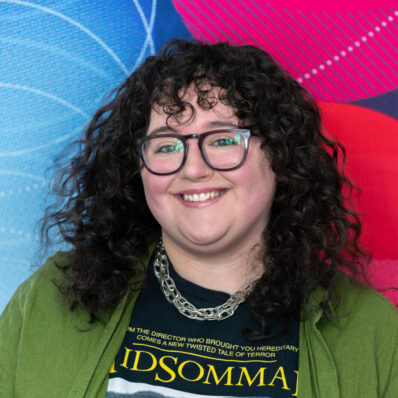
Améliane F. Chiasson CPACC
Games Accessibility Lead